
What It Is
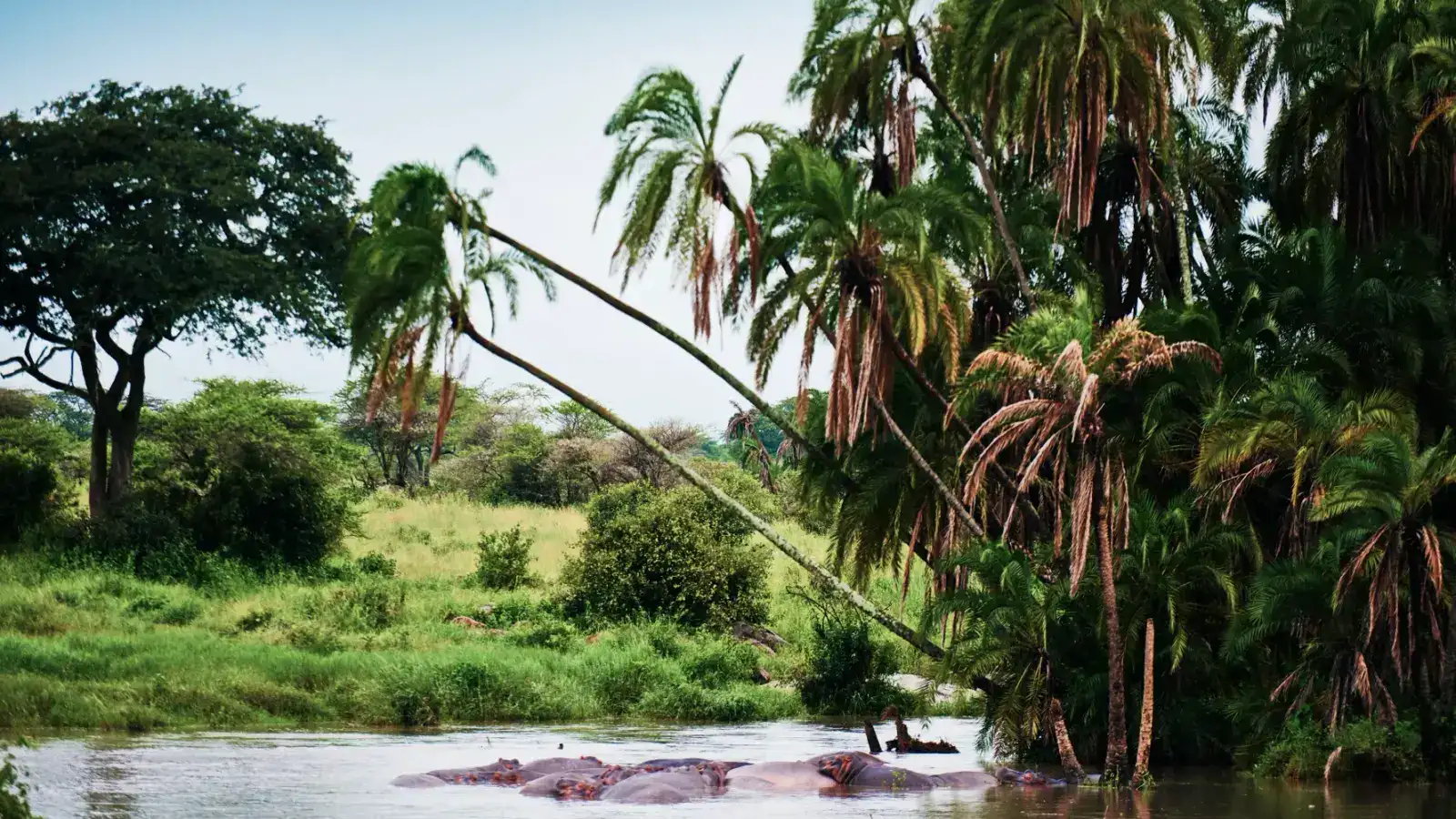
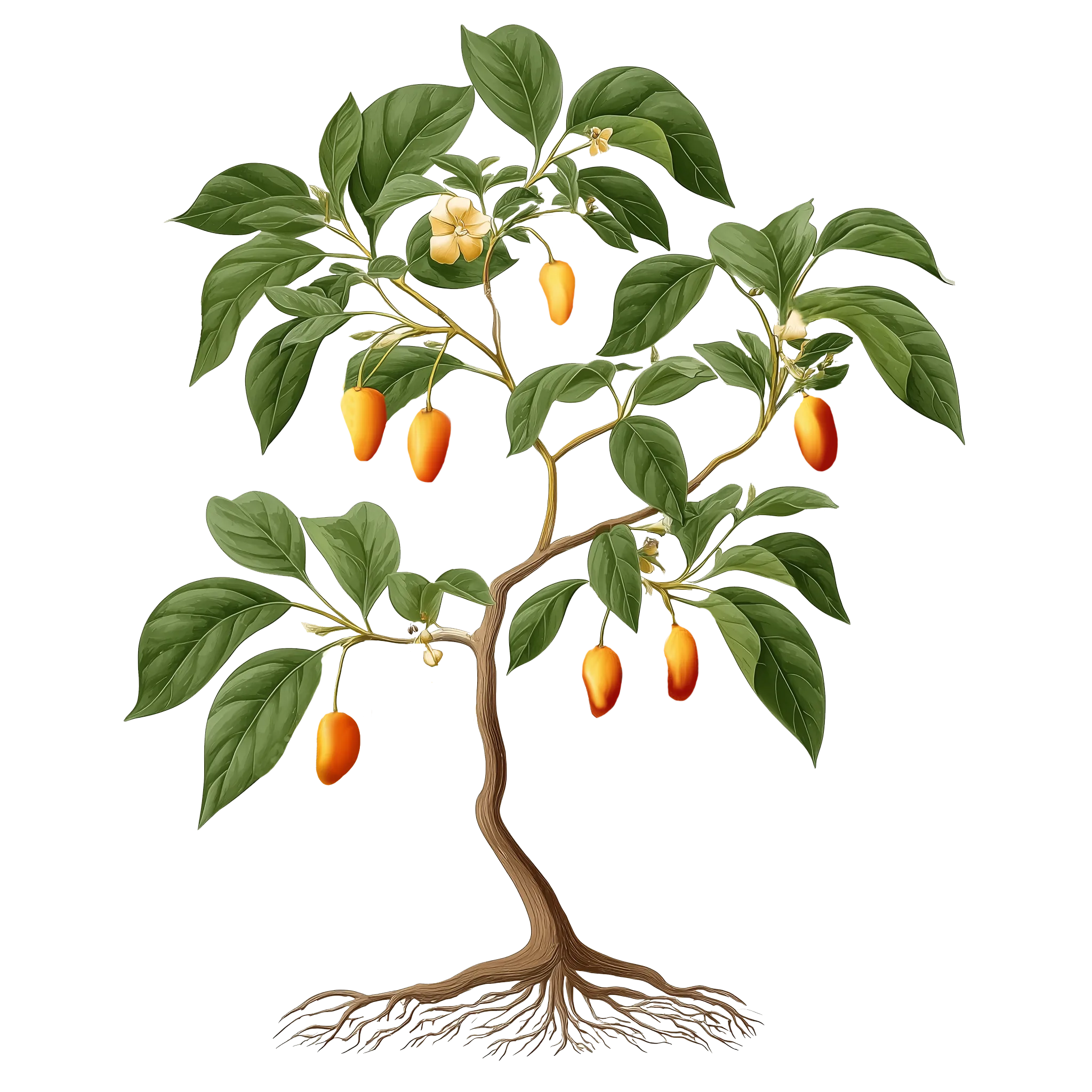
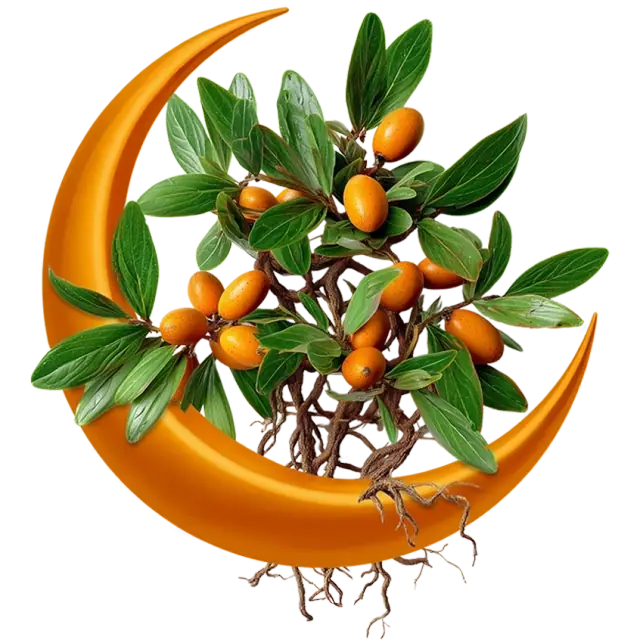
Iboga (Tabernanthe iboga) is a perennial rainforest shrub native to Central West Africa, primarily Gabon and Cameroon. The root bark has been used in the Bwiti tradition for generations as a sacrament for initiation, healing, and guidance. In the West, it gained attention as the only substance demonstrated to interrupt opioid withdrawal in a single session. Those are two different frames for the same plant. Both are true.
What It Does
Iboga interacts with over a dozen receptor systems simultaneously, dopamine, serotonin, NMDA, opioid receptors, and more. Researchers describe it as a neurological reset. Not a high. Not a trip. The active phase lasts 24–36 hours. Most people describe a long, clear, sober review of their own operating system, seeing the patterns beneath their choices with a clarity that other approaches didn't produce. The experience is confrontational, not comfortable. Iboga doesn't let you look away.
What It Isn't
Iboga is not a recreational psychedelic. It's not a quick fix. It's not something you do on a weekend. It doesn't work for everyone, and I'll tell you honestly if I don't think you're ready. The experience lasts longer, is physically harder, and requires more preparation and integration than any other plant medicine. If you're looking for something gentle, this isn't it. If you're looking for something thorough, this might be.
Medical Screening, Non-Negotiable
Iboga causes QT prolongation, a change in the heart's electrical cycle that, in susceptible individuals, can trigger fatal arrhythmias. Most ibogaine-related deaths were preventable. They happened because screening was skipped. Before any ceremony, you complete a full medical history, ECG, and medication review. If anything comes up, we don't proceed. That part isn't flexible. Your safety matters more than your booking.
The Bwiti Lineage
Iboga comes from Gabon. It has been used in the Bwiti tradition for generations, not as medicine, not as therapy, but as a technology for seeing truth. I work with Tatayo at Ebando, a cultural NGO near Libreville that has preserved and transmitted Bwiti knowledge for over fifty years. The lineage is Ebando, through the Missoko, Gondé, and Dipuma rites. In Gabon, the container already exists, the tradition, the community, the ancestors. You enter it on its terms. If you feel called to go to the source, I can facilitate that.
- · You'll be physically impaired for 24–36 hours. Motor coordination is gone. You need assistance.
- · Nausea and purging are common in the first hours. It's part of the process.
- · The visionary experience is biographical, you see your own life, not abstract imagery.
- · Sound is amplified. The acoustic environment matters.
- · Afterward you'll be exhausted but clear. The integration work begins immediately.
Ready to talk?
If something in this resonates, the next step is a conversation. No pitch. Just two people talking honestly about whether this is right for you.
Start a conversation