
Iboga in Gabon
The source.
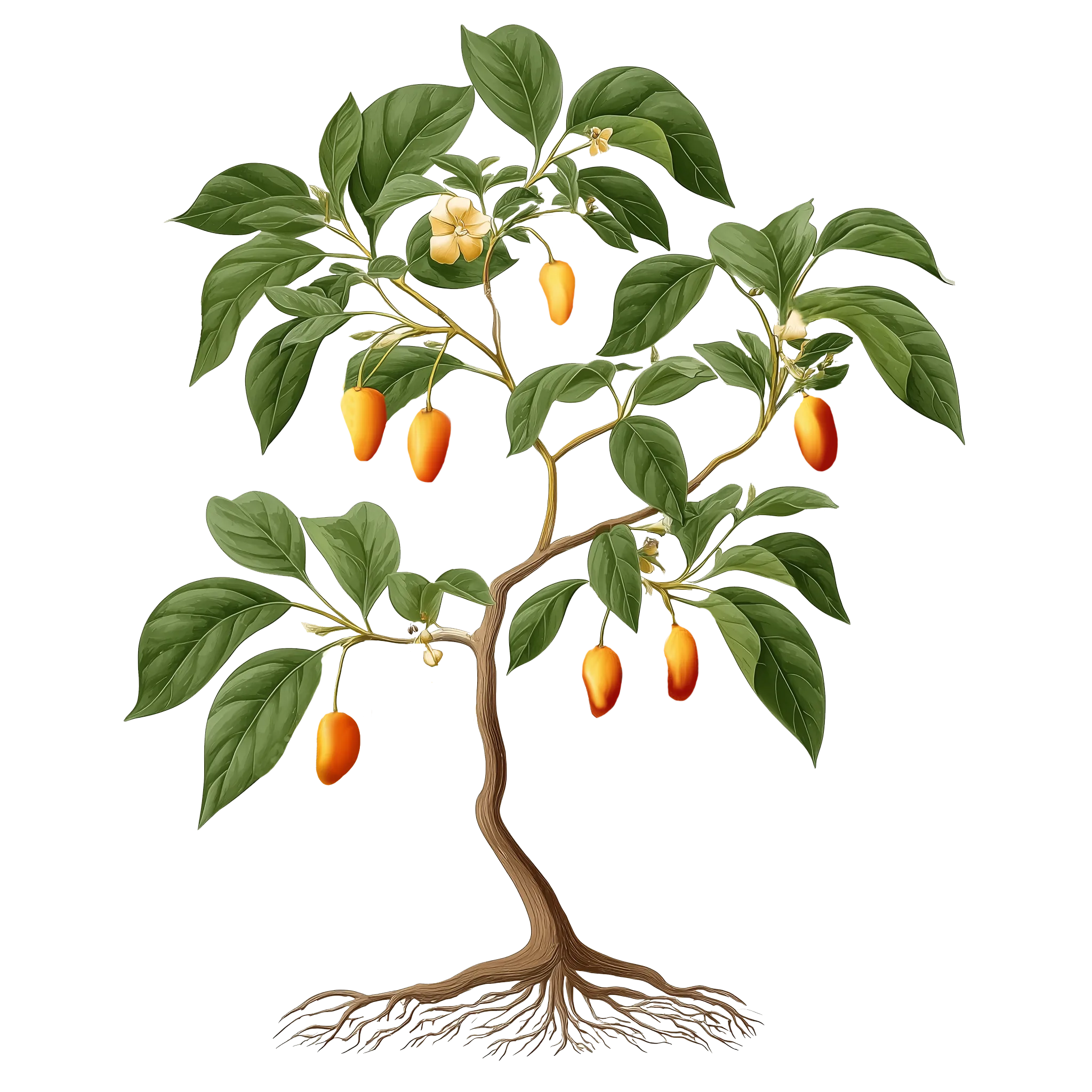
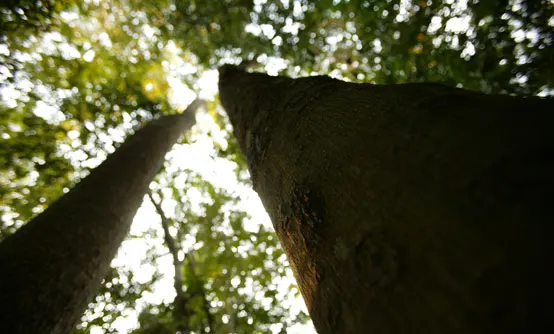
This is the source. Iboga comes from the forests of Gabon and Cameroon. It's been used here for generations in the Bwiti tradition, not as medicine, not as therapy, but as a technology for seeing truth. When you come to Gabon, you're not doing ceremony in an imported context. You're going to where it began.
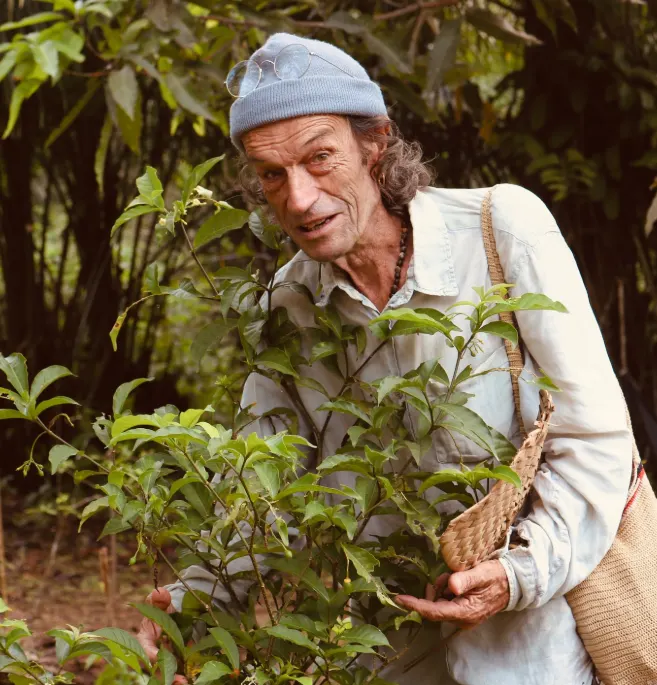
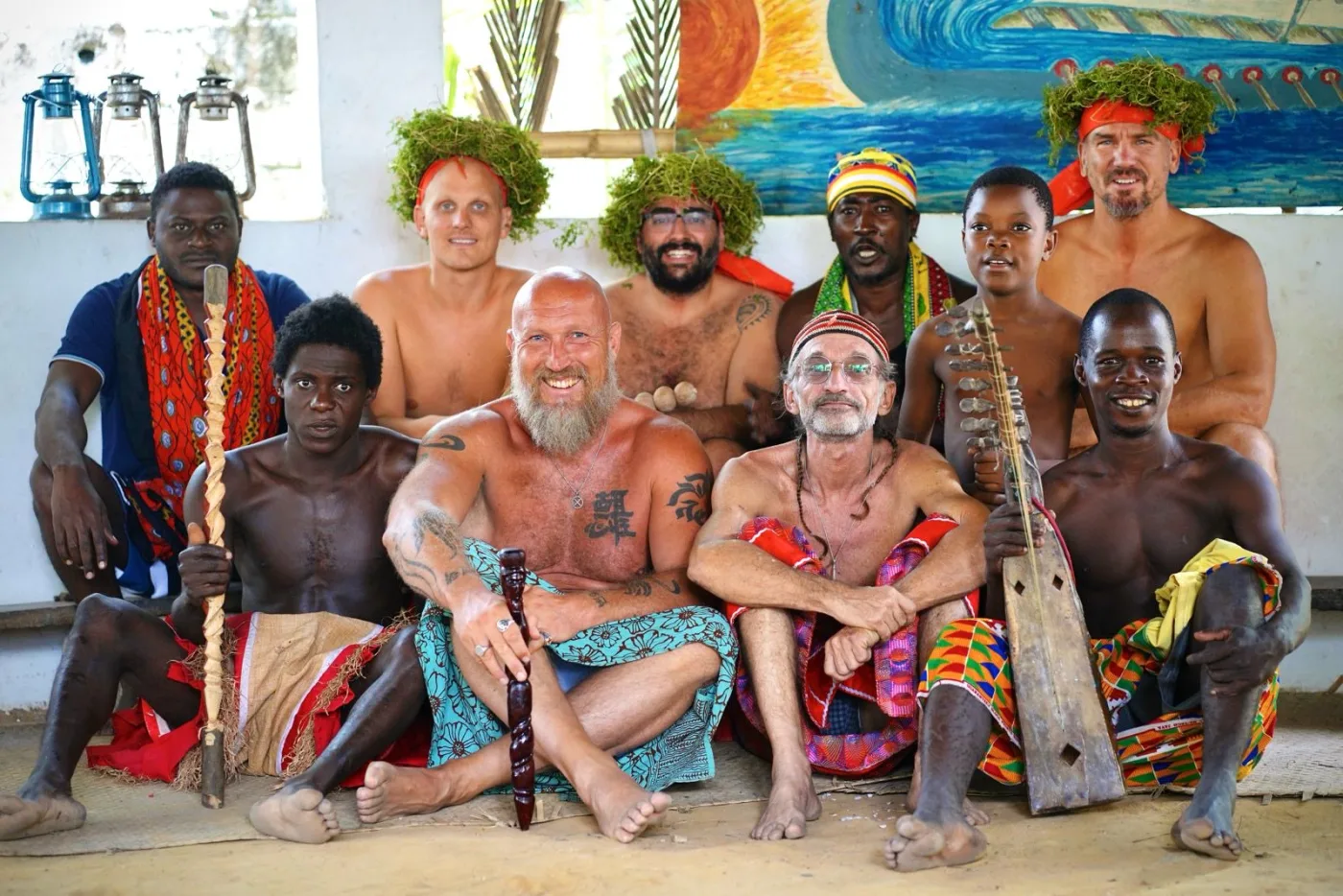
I work with Tatayo at Ebando, a cultural NGO near Libreville that has preserved and transmitted Bwiti knowledge for over fifty years. The lineage is Ebando, through the Missoko, Gondé, and Dipuma rites. This isn't a retreat center. It's a living tradition held by the people who've carried it the longest.
Why Gabon.
Every other location on this site is a container I build around you. Gabon is different. The container already exists. It's been held for longer than any of us have been alive. The tradition, the forest, the community, the music, the ancestors, none of that is curated. None of it is arranged for your comfort. It simply is what it is, and you enter it on its terms.
Tatayo has been in Gabon since the early 1970s. He came for fifteen days and never left. He built Ebando alongside Papa André Nguiè Ovono, a craftsman, liturgical harpist, and Bwiti elder who served as honorary president until his passing in 2017. What they created together is a bridge between the tradition and the world outside it, without diluting either side.
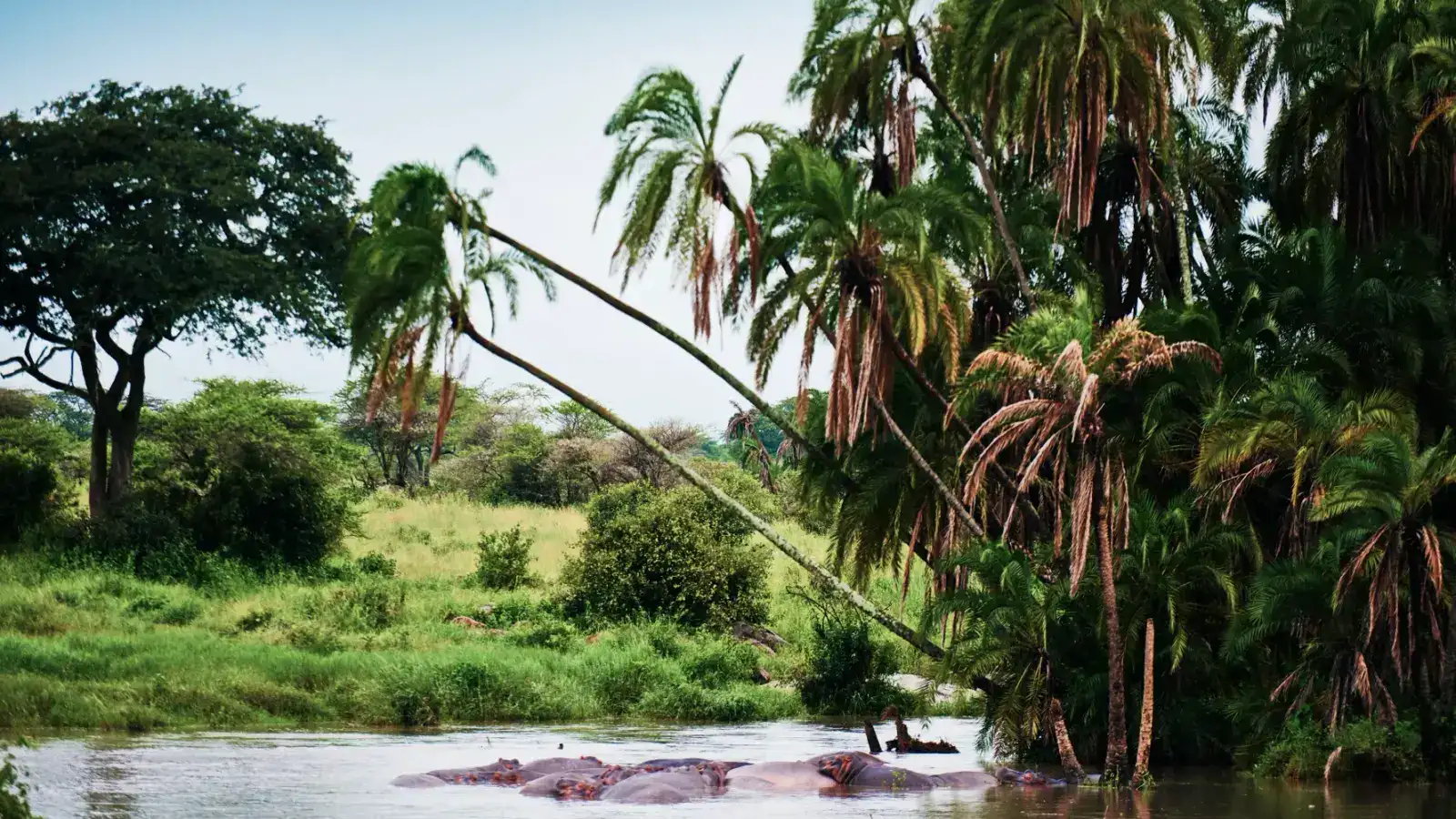
Gabon has been called the Tibet of Africa, a place where biodiversity and spiritual depth run so deep they're inseparable. The Ogooué basin, the equatorial forest, the Bantu and Pygmy peoples whose knowledge Ebando works to preserve, this is the ground iboga grows from.
What initiation looks like.
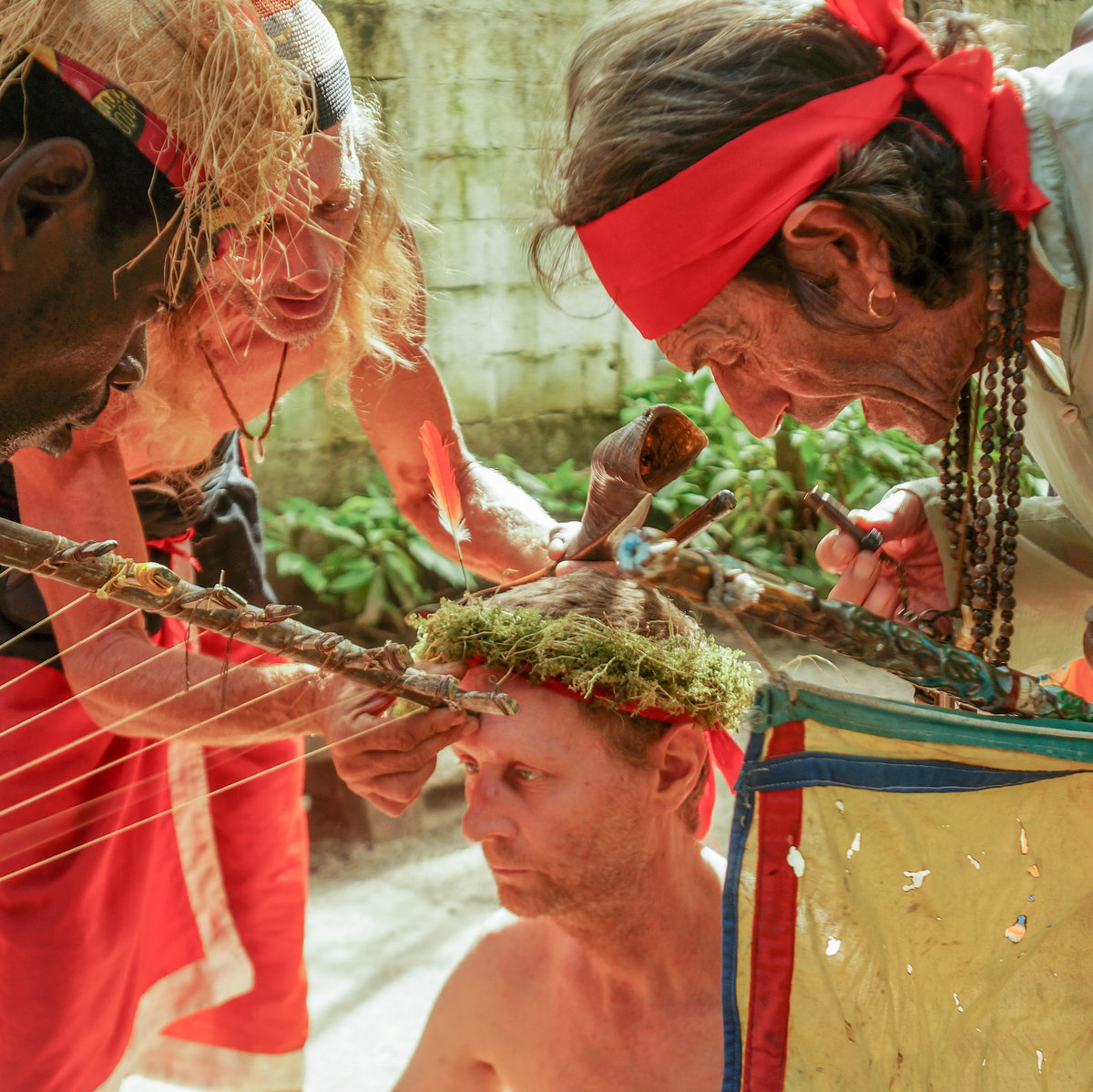
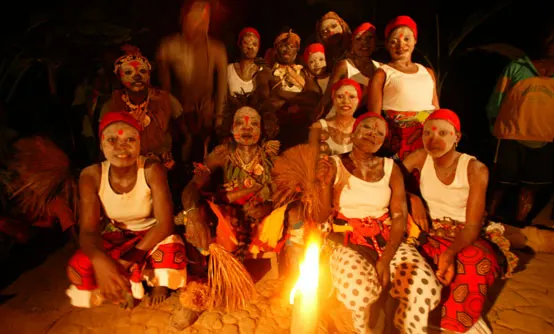
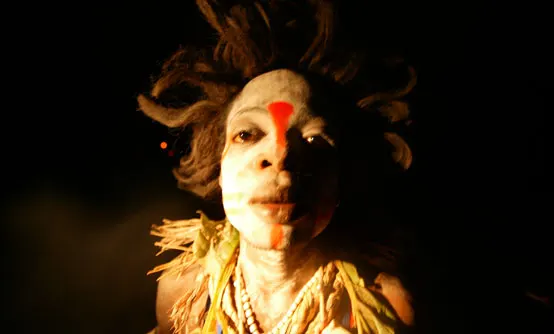
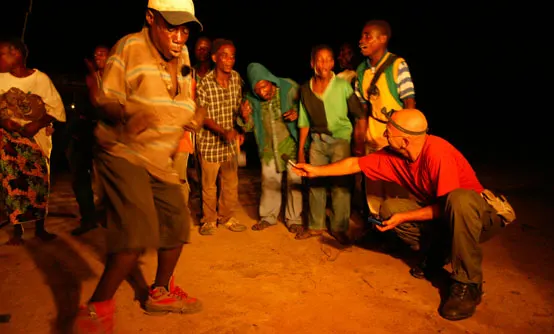
This is not an individual ceremony the way my other locations are. In Gabon, the community holds the space. The ceremonies are collective, elders, musicians, N'ganga healers, the village. The music runs all night. The ngombi (sacred harp) plays while the drummers keep time on a wooden plank. People sing, dance, pray, and watch over you. You are never alone.
Ebando typically initiates in groups of three, but individual initiations are available during certain periods of the year when the calendar allows. If you're called to Gabon and the timing works, we make it work.
The rites involve large doses of root bark. The experience is longer and more intense than what I offer at other locations. The visionary phase, the death and rebirth, the confrontation with ancestors, all of it happens inside a tradition that has held this process for generations. There's no facilitator interpreting it for you. The tradition itself is the interpreter.
Initiation typically runs 10–15 days. The preparation is physical and dietary. The ceremony itself can last multiple nights. Afterward, there's a gathering, an outgoing ceremony that marks your re-entry.
Who comes here.
People who feel called to go to the source. I know that sounds vague, I can't make it more specific, because it is what it is. Some people read about the other locations and something doesn't land. They don't want the beach or the mountains or the forest. They want the origin. They want to sit where iboga has been used since before anyone tried to explain it.
This is also for people who want full Bwiti initiation, not just ceremony, but the traditional rite of passage. Death and rebirth in the original context. That's a different commitment than what I offer elsewhere, and it's not for everyone. If you're not sure whether it's for you, it probably isn't yet. When it's time, you'll know.
People who've already done ceremony with me at other locations and feel called to go deeper. People with a connection to Africa, to ancestral lineage, to the forest itself. People who don't need the experience to be comfortable or explained.
What to understand before you go.
Gabon is not Southeast Asia. The infrastructure is different. The comfort level is different. The climate is equatorial, hot and humid. You won't sleep with blankets. The temple is open-air. Accommodation is a ventilated room or a mattress in the temple with a mosquito net. The food is traditional and seasonal.
You'll need vaccinations, Yellow Fever is required, anti-malaria medication is necessary. Bring Euros in cash. Gabon is among the most expensive countries in Africa.
If any of this is a dealbreaker, this isn't your location. The willingness to meet these conditions is part of the screening. If the travel itself feels like too much, the ceremony will be more than you're ready for.
Covers facilitation, logistics, screening, preparation, accommodation, food, ceremony, crew, sacred wood, N'ganga fees, transport, and 90-day integration support. 10–15 day stay. Flights and vaccinations additional.
- Duration: 10–15 days
- Required: Valid medical certificate, recent photo, full health history
- Vaccinations: Yellow Fever, anti-malaria (Doxy or Co-Arinate)
- Bring: Euros in cash, long-sleeved shirts, personal hygiene supplies
Before proceeding, review preparation & screening requirements and safety information.
Common questions about Gabon
Traditional Bwiti ceremony in the Ebando lineage. Multi-day, community-held, with live music throughout the night. Larger doses than what I offer at other locations. The community participates, elders, musicians, the village. This is iboga in its original context.
At other locations, I build the container around you, one person, one ceremony, environment matched to your needs, private. In Gabon, the container already exists. You enter the tradition on its terms. The experience is more intense, more communal, and more traditional. It's also the only location where full Bwiti initiation is available.
Tatayo is the nganga (traditional healer) I work with at Ebando in Gabon. The lineage is Ebando. He holds strong provenance on integrity, sustainability, and the traditional use of iboga. When I bring someone to Gabon, I'm bringing them into his care.
The ceremony itself carries the same medical risks as any iboga work, cardiac screening is still non-negotiable. The travel and environment require more preparation than other locations. Gabon is stable and safe for visitors, but it's not a tourist destination. I help with logistics, but you need to be the kind of person who's comfortable being uncomfortable.
Pricing is discussed in a consultation call. It covers facilitation, logistics, screening, preparation, accommodation, food, ceremony, crew, sacred wood, N'ganga fees, transport, and 90-day integration support. A 10–15 day stay. Flights and vaccinations are additional.
If you're asking, sit with it. Most people who come to Gabon don't need to be convinced. They feel the pull and it doesn't go away. If another location feels right, start there. Gabon isn't going anywhere.
Start a conversation
Tell me why Gabon. What's pulling you. We'll talk through whether the timing and the preparation are right.
Gabon requires more lead time than other locations, typically 2–3 months minimum.