



The Root of the Matter: Iboga, Combat Trauma, and the Limits of What Psychiatry Built
On the emerging clinical evidence for iboga-derived medicine in the treatment of combat-related PTSD and traumatic brain injury among American veterans of 21st-century warfare
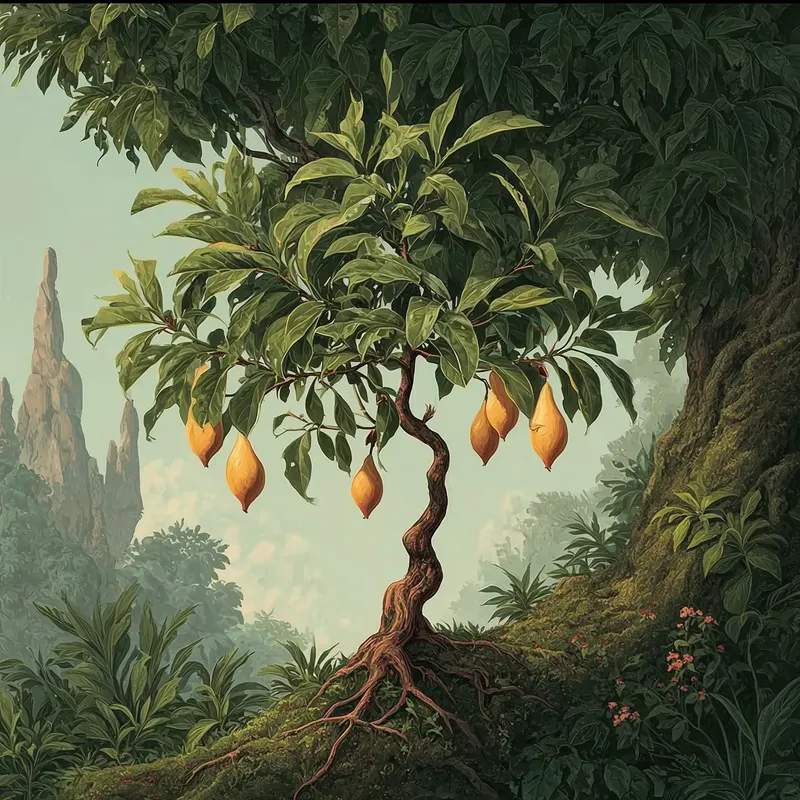
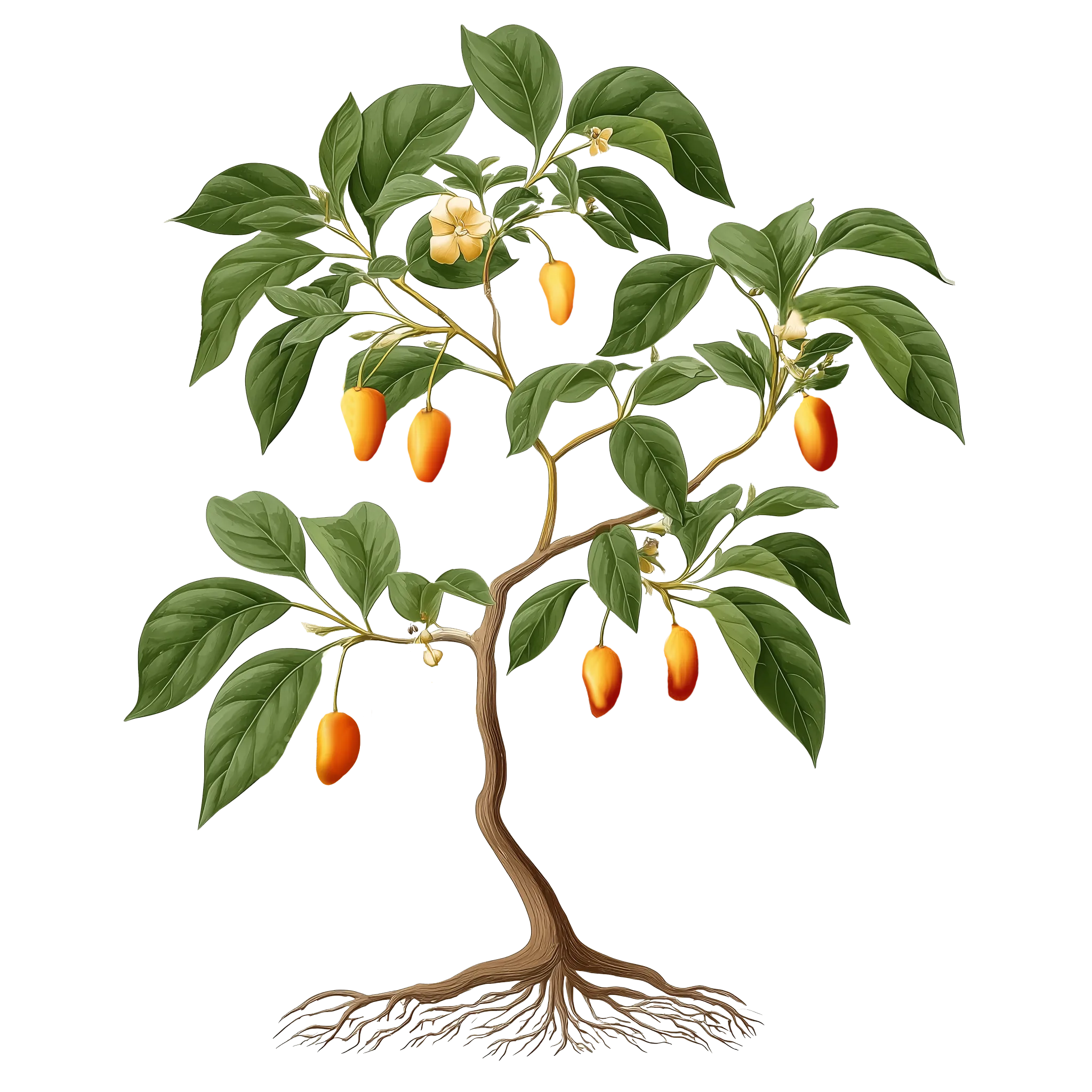
There is a plant growing in the rainforests of Gabon and the Congo Basin that the Bwiti people have been sitting with for centuries. Tabernanthe iboga, a perennial shrub with modest appearance and extraordinary pharmacological depth, has served as the central sacrament of Bwiti initiation for generations: a teacher, a mirror, a passage. In large ceremonial doses administered over one to three days under the guidance of a trained nganga, iboga brings the initiate into an extended, waking-dream encounter with their own life, their ancestors, and the structure of their psychological wounds. It is not a recreational substance. It is not administered lightly. Within the Bwiti tradition, it is understood as a healing intelligence that cannot be reduced to any single constituent. The full root bark, with its dozens of alkaloids working in concert, constitutes something that isolation destroys.
Western pharmacology arrived at iboga by a different route. In 1901, chemists isolated ibogaine, the plant's primary alkaloid, accounting for roughly 50–80% of total alkaloid content depending on preparation. The interest largely stopped there. The molecule was what mattered. The rest was background. For decades, ibogaine circulated at the edges of addiction medicine, legally inaccessible in the United States but available in clinics in Mexico and Canada. It was carried by a growing body of anecdotal evidence that it could interrupt opioid dependence and alleviate trauma symptoms in ways that conventional medicine could not explain and had made little effort to study rigorously.
That is now changing. Over the past several years, a body of clinical research, most of it centered on the isolated alkaloid ibogaine but grounded in the pharmacological profile of the whole plant, has produced findings that are difficult to dismiss. The population at the center of this research is American veterans of the wars in Iraq and Afghanistan. Men who returned from combat with invisible, treatment-resistant damage. Who exhausted the VA's offerings. Who eventually found their way to clinics in Mexico where a plant-derived compound gave them something twenty years of conventional psychiatry had not. Understanding what that compound does, where it comes from, and what may be gained by taking the whole plant seriously rather than merely its most studied molecule is increasingly urgent.
The Injury That Doesn't Show
The wars in Iraq and Afghanistan produced a distinctive injury profile that existing psychiatric infrastructure was not built to address. Improvised explosive devices, rocket-propelled grenades, and controlled demolition exercises subjected soldiers, often repeatedly across multiple deployments, to blast exposure that damaged the brain without leaving visible wounds. Mild to moderate traumatic brain injury resulting from blast concussion is now understood to be endemic among combat veterans of these conflicts, particularly among Special Operations Forces who experienced the most intense and sustained exposure. In the overwhelming majority of cases, it presents alongside PTSD.
These are not cleanly separable diagnoses. Blast-related TBI damages axonal integrity and white matter connectivity in precisely the circuits most implicated in PTSD's pathophysiology: the prefrontal cortex, which regulates top-down inhibition of fear responses; the hippocampus, which contextualizes memory and distinguishes past threat from present safety; the amygdala, which drives the hyperarousal and reactivity that makes ordinary life after combat so difficult to sustain. What results is a brain whose architecture has been disrupted at the level of the very structures that conventional trauma therapies depend on for their mechanisms of action.
Prolonged Exposure therapy asks a patient to revisit traumatic memories in a controlled way, with the expectation that the prefrontal cortex will regulate the fear response and that extinction learning will follow. Cognitive Processing Therapy asks a patient to examine and reappraise the cognitive distortions that maintain PTSD. SSRIs modulate serotonergic tone. All of these interventions work on assumptions about neural flexibility and cognitive capacity that may be structurally compromised by blast-related TBI. Non-response and dropout rates for conventional treatments in this population are notably high, not primarily because of cultural resistance or access barriers, though both are real, but because the tools were designed for a different injury.
The gap between what exists and what is needed is not theoretical. Roughly twenty American veterans die by suicide every day. A disproportionate number are post-9/11 veterans. Within the Special Operations community specifically, suicide rates have outpaced combat deaths in recent years. These numbers are the consequence of a treatable population being failed by the treatments available to it.
What the Plant Contains
Before getting into the clinical evidence, it is worth being precise about what iboga actually is. The clinical literature has studied almost exclusively the isolated alkaloid ibogaine. That matters both pharmacologically and conceptually.
Tabernanthe iboga root bark contains at least twelve identified indole alkaloids, of which ibogaine is the most abundant and most studied. The others include ibogamine, tabernanthine, ibogaline, voacangine, and coronaridine, among others, each with its own receptor affinities and pharmacological activity. Tabernanthine has its own psychoactive properties. Ibogamine has distinct receptor binding profiles. The interactions between these compounds in a living system are not fully characterized. What is known is that they do not function independently. The full alkaloid matrix produces a qualitatively different experience from isolated ibogaine: typically more gradual in onset, longer in duration, broader in phenomenological scope, and, according to many practitioners and people who have experienced both, more physiologically balanced in its load on the cardiac system.
This is what the cannabis literature has called an entourage effect: the whole producing effects that no single constituent explains. Whether this concept translates precisely to iboga remains to be established through controlled comparative research, and it has not yet been so established. The rigorous clinical evidence that exists was generated using isolated ibogaine HCl or, in some cases, a total alkaloid extract containing the full alkaloid spectrum but outside the ceremonial context. What can be said with confidence is that the clinical evidence for ibogaine provides a minimum estimate of what the whole plant can do. A floor, not a ceiling.
The Bwiti tradition adds a further dimension that pharmacology alone cannot capture. In Missoko Bwiti ceremony, iboga is not administered as a treatment for a disorder. It is given as a sacrament for initiation, for encountering the full structure of one's psychological and spiritual reality, within a container defined by music, fire, community, the presence of a trained nganga, and a ritual framework refined across generations of practice. The nganga does not merely supervise. They navigate, respond, hold. The music, rhythmic and repetitive, intensifying over hours, is not ambient background but a pharmacologically relevant variable, modulating the attentional state in which the medicine operates. The duration of traditional ceremony, often 24–36 hours or longer, is considered integral to the depth of the encounter. Western clinical trials have stripped most of this away. Veterans received ibogaine in a clinic in Mexico, lying on mats with eyeshades, under cardiac monitoring. The results, as we will see, were remarkable. The question of what might be different, or more, within a container that preserves more of the original technology, cannot currently be answered by the literature and deserves serious attention.
Clinical Evidence I: The First Signal
The first systematic human data in a veteran population came from a retrospective survey study led by Alan K. Davis and colleagues at Ohio State University and Johns Hopkins, published in Chronic Stress in 2020. Fifty-one U.S. Special Operations Forces veterans who had independently traveled to a psychedelic clinical program in Mexico between 2017 and 2019, where they received a combination of ibogaine and 5-MeO-DMT, completed a survey assessing their mental health and cognitive functioning in the thirty days before and thirty days after treatment.
Results showed very large reductions in self-reported PTSD symptoms (effect size d = −3.6), depression (d = −3.7), anxiety (d = −3.1), cognitive impairment (d = −2.8), and suicidal ideation (d = −1.9). To calibrate those numbers: approved pharmacotherapies for PTSD typically produce effect sizes in the range of 0.5 to 0.8. The study also documented a large increase in psychological flexibility (d = 2.9), which was strongly associated with reductions across all symptom domains.
These were retrospective self-reports in a self-selected sample without a control condition. The methodological limitations are real and the authors stated them plainly. What the study provided was not proof but a signal. Consistent, large, and pointing in a single direction.
Equally notable was what veterans said about the character of the experience itself. Most rated it among the top five most personally meaningful (84%), spiritually significant (88%), and psychologically insightful (86%) experiences of their lives. The iboga-derived experience, with its characteristic extended, dreamlike immersion in autobiographical memory, was not simply pharmacological in the way the word is typically used. It was something veterans recognized as qualitatively different from what any previous treatment had offered. Not symptom suppression. Encounter.
Clinical Evidence II: The Stanford MISTIC Protocol
The methodological step-change came with the Stanford study published in Nature Medicine in January 2024. Cherian, Keynan, and colleagues at Stanford's Brain Stimulation Lab conducted a prospective observational study of the Magnesium–Ibogaine: Stanford Traumatic Injury to the CNS (MISTIC) protocol in 30 male Special Operations veterans with predominantly mild TBI. The addition of intravenous magnesium prior to ibogaine administration was a deliberate safety modification targeting ibogaine's primary known risk: QTc interval prolongation and the attendant risk of cardiac arrhythmia.
Average World Health Organization Disability Assessment Scale scores fell from 30.2 at baseline to 19.9 immediately post-treatment, and further to 5.1 at one month. Both changes statistically significant at p < .001. All functional domains improved, with the largest effect in cognition. PTSD severity, depression, and anxiety scores all showed significant improvement at immediate post-treatment and one-month follow-up, with response rates of 100%, 97%, and 93% and remission rates of 86%, 83%, and 83% respectively at one month. No serious cardiac events occurred.
These figures in a prospective study published in one of medicine's premier journals represented something new for the field. One month after a single treatment session, psychiatric symptoms had improved by approximately 80 percent in a population of treatment-resistant, multiply diagnosed, neurologically damaged men, men for whom, in many cases, conventional care had spent years producing marginal results.
A subsequent study from the same group, published in Nature Mental Health in July 2025, analyzed EEG and MRI data from the same 30 veterans. Veterans who improved in executive function showed increased theta rhythm power post-treatment. Those with reduced PTSD symptoms showed reduced cortical complexity. The researchers hypothesized that enhanced theta rhythms encourage neuroplasticity and cognitive flexibility, while reduced cortical complexity may correspond to lowered stress hyperreactivity. Pre-treatment brain activity patterns could also predict which patients were most likely to benefit, a finding with direct implications for patient selection in future trials.
Clinical Evidence III: The Inner Architecture of Healing
The most recent study in this sequence addressed a question the clinical outcome literature cannot answer: what actually happens, experientially, during the treatment that produces these outcomes? Olash and colleagues at Stanford and the Medical University of South Carolina published a qualitative analysis in npj Mental Health Research in January 2026, analyzing post-session narratives from the same 30 veterans after their ibogaine treatment.
Using a constructivist grounded-theory methodology, the analysis identified four recurrent experiential domains. The first was dialogic trauma re-appraisal: not the terror of re-experiencing, but something closer to a guided review, veterans describing the replay of autobiographical memories with unusual clarity and reduced emotional reactivity, as though watching their own past from a position of reflective access they had not previously possessed. The second was altered-self and mystical connectedness. The third was emotional resolution: surges of forgiveness, love, and renewed purpose that many veterans had not experienced in years. The fourth was embodied healing, a vivid, somatic sense of neural repair, cognitive fog clearing, a felt sense of structural change in the brain itself.
The Bwiti tradition would recognize every element of this phenomenological map. The dialogic replay of biographical memory, the life review that iboga reliably produces, is not incidental to the ceremony. It is its purpose. What the Olash study accomplished, rigorously and within the methodological conventions of qualitative research, was to document in the language of Western clinical science something the Bwiti have known across generations of practice: that the healing iboga catalyzes is not primarily pharmacological in the narrow sense. It is experiential. The mechanism of change involves what happens in the experience, not merely what the molecule does to the brain.
The researchers described this as an "auto-psychotherapy", a rapid, self-directed process that runs in parallel with what weeks of conventional therapy attempt to produce, compressed into a single extended session. What iboga appears to offer is something more like a direct opening of the psychological interior: access to material that is ordinarily defended against, without the defensive reactivity that makes that material so difficult to process under ordinary conditions.
The Alkaloid, the Plant, and What Gets Lost in Translation
The research just reviewed was conducted almost entirely with isolated ibogaine hydrochloride. This is scientifically appropriate: isolated compounds allow precise dosing, standardized administration, and interpretable results. It is also, from the perspective of the whole plant's tradition, a translation. And translations lose things.
The Bwiti do not use ibogaine. They use the root bark of Tabernanthe iboga in its entirety, in a ceremony that integrates the full alkaloid spectrum with music, community, duration, relationship, and sacred intention. Practitioners and initiates who have experienced both consistently describe them as qualitatively different encounters, not merely in intensity or duration, but in character. The whole plant experience tends to be described as more layered, more physical, more confrontational, more complete. One practitioner put it plainly: "Isolating ibogaine is like extracting a single instrument from an orchestra. It may still carry power, but the full composition is no longer present."
The companion alkaloids, tabernanthine, ibogamine, voacangine, coronaridine, and others, have their own receptor activities that may modulate the ibogaine experience in therapeutically relevant ways. The full alkaloid matrix distributes the pharmacological load across multiple pathways, which some researchers and practitioners believe produces a more physiologically balanced experience than the isolated compound. Rigorous comparative clinical data between ibogaine HCl and whole-plant preparations does not yet exist. The entourage hypothesis remains, for the moment, evidence-adjacent rather than evidence-supported. But the same methodological gap that prevents confirmation also prevents dismissal.
If, as the Olash study suggests, the mechanism of therapeutic change is fundamentally experiential, if it depends on what the initiate does with the expanded interior access that the medicine opens, then the container in which that access occurs is not irrelevant infrastructure. The Bwiti developed their ceremonial technology over centuries of empirical practice, continuously refined based on outcomes across thousands of initiations. The nganga, the music, the fire, the community, the ritual arc: these are not decorative elements appended to the pharmacology. They are the technology within which the pharmacology becomes healing rather than merely psychoactive. Serious iboga medicine, in this view, is not a drug that produces healing automatically. It is a doorway that requires someone to walk through it. And the architecture of the doorway shapes what it is possible to encounter and integrate on the other side.
The Safety Question and the Path Forward
Any intellectually honest account of iboga must meet the cardiac safety question directly. Both iboga and its isolated alkaloid ibogaine carry documented cardiac risks, primarily QTc interval prolongation that can lead to life-threatening arrhythmias. Fatalities have occurred, predominantly in unscreened individuals, in inadequately monitored settings, in combination with substances that compound cardiac risk. These are not marginal concerns. Neither the cultural significance of the plant nor the strength of the clinical data diminishes them.
The MISTIC protocol's cardiac safety record, no QTc events across 30 treated veterans under medical monitoring with intravenous magnesium supplementation, represents the most rigorous safety assessment yet conducted. It establishes that the risk is manageable rather than prohibitive in appropriately screened and monitored populations. The same principle applies to traditional Bwiti administration: experienced ngangas screen participants, administer gradually, and monitor continuously over extended ceremonies. The risk is not inherent to the medicine. It is inherent to inappropriate administration.
In April 2026, a U.S. executive order committed $50 million in federal funding for ibogaine research and opened expanded Right to Try pathways, a policy shift reflecting that ibogaine is now taken seriously at the highest levels of government. Bipartisan congressional support has grown, with legislators citing the veteran suicide crisis and the consistent reports from veterans who traveled to Mexico and returned transformed. The practical question is whether the regulatory response will be calibrated to the actual risk profile of medically supervised administration, or whether Schedule I scheduling will remain an obstacle long after the evidence base has moved beyond it.
What Iboga Teaches Medicine
The veterans at the center of this research are a particular kind of witness. They are not people who sought out a psychedelic experience or who arrived at iboga through countercultural pathways. They are, as one Stanford researcher described them, "incredibly intelligent, high-performing individuals who experienced life-altering functional disability during their time in combat," willing to try most anything to reclaim their lives. When men of that background, trained to skepticism and physical self-mastery, travel to Mexico and return describing encounters with their own psychological interior that they call among the most meaningful experiences of their lives, the weight of that testimony is not easily dismissed.
The Bwiti have a different frame for the same phenomenon: iboga, they say, shows you what is true. Not what you wish were true, not what is comfortable, but what is actually there. For a generation of veterans living with the invisible damage of 21st-century warfare, with the compressed grief of multiple tours, the moral injuries of impossible rules of engagement, the operational exhaustion that no decompression protocol adequately addresses, what the plant appears to offer is not relief from those realities but access to them. A way through rather than around.
Western psychiatry's instinct has been to extract the active compound, control for variables, and demonstrate efficacy on standardized scales. That instinct is scientifically valid and has produced the impressive data reviewed here. What it has not yet addressed is whether the isolated alkaloid in a clinical setting extracts the full potential of what iboga offers, or whether the plant, in something closer to its traditional context and with the full breadth of its chemistry intact, is capable of something more complete than any randomized controlled trial will, by design, be able to measure. The research agenda for the coming years should hold both imperatives simultaneously: the rigorous controlled trials needed to satisfy regulatory requirements, and the serious, respectful engagement with traditional Bwiti knowledge and whole-plant pharmacology that the evidence suggests the field cannot afford to leave unexplored. These are not competing priorities. They are complementary acknowledgments that iboga arrived in Western medicine with a several-thousand-year head start.
Want to understand the safety and screening process?
Read the safety overview and preparation & screening guide.
Start a conversation